
Assisted living amenities should support everyday safety, comfort, independence, and connection—not simply make a residence look attractive. For residents and families in Delmont, PA, the most useful features are often the practical ones: reliable transportation, accessible bathrooms, nutritious meals, dependable emergency response, and activities that fit individual interests and abilities.
Which amenities matter most in assisted living?
The most important amenities are those that help residents manage daily routines with less stress while preserving as much choice as possible. A comfortable lounge or attractive dining room can be pleasant, but features that affect safety and quality of life deserve closer attention.
Key areas to evaluate include:
- Personal care support: Assistance with bathing, dressing, grooming, toileting, and medication routines should match the resident’s needs.
- Accessible private spaces: Bedrooms and bathrooms should allow safe movement, including room for walkers or wheelchairs when needed.
- Emergency response: Residents should have a practical way to request help at any hour.
- Dining services: Meals should be nutritious, appealing, and adaptable to medical or personal dietary needs.
- Transportation: Scheduled rides can help residents attend appointments, run errands, and remain connected to the community.
- Social and wellness programming: Activities should offer variety rather than assuming every resident enjoys the same hobbies.
- Housekeeping and laundry: Regular support with chores can reduce physical strain and allow residents to focus on meaningful activities.
The right combination depends on health, mobility, routines, budget, and personal preferences.
What should residents look for in apartments and bathrooms?
Private living spaces should be comfortable, easy to navigate, and adaptable to changing needs. A residence may appear accessible during a brief tour but still have details that become difficult after move-in.
Look for:
- Wide, uncluttered pathways
- Level transitions between rooms
- Adequate lighting, including night lighting
- Easy-to-operate doors, faucets, and cabinet handles
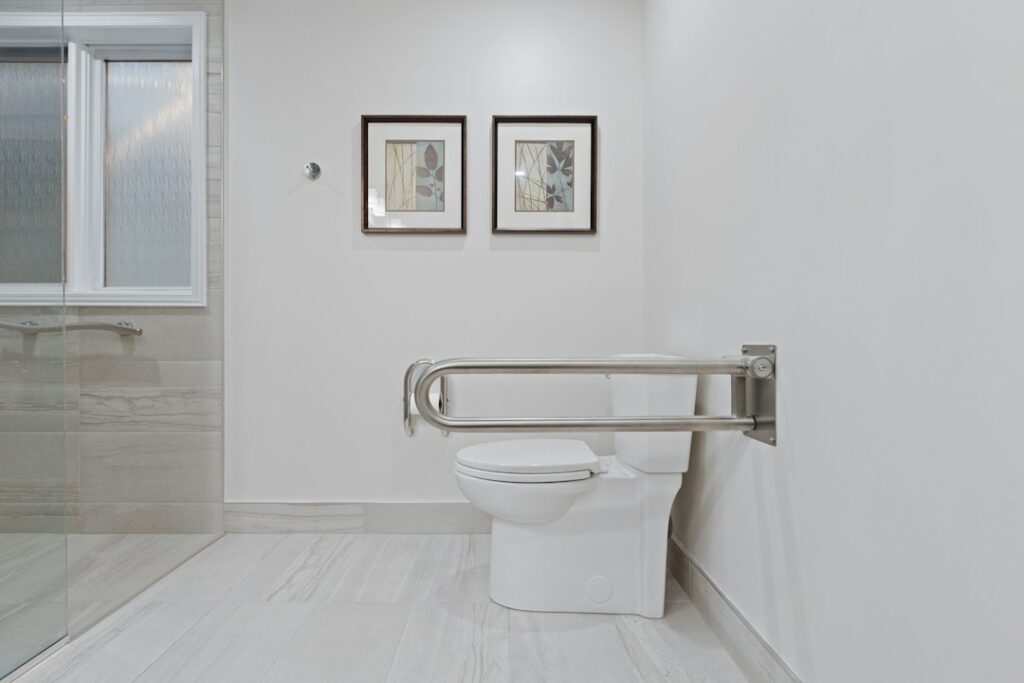
- Grab bars and non-slip surfaces in bathrooms
- A shower that can be used without stepping over a high threshold
- Space for mobility equipment
- An emergency call device that can be reached from the bed and bathroom
- Heating and cooling controls that residents can understand
Bathroom design deserves special attention because falls frequently occur during transfers, bathing, or nighttime trips. Ask whether safety features are included as standard or added only when a resident needs them.
It is also useful to ask how staff respond if a resident’s mobility changes. An apartment that works well today may need additional equipment or support later.
How important are dining amenities?
Dining is more than a convenience. Regular meals can affect nutrition, medication routines, energy levels, social interaction, and enjoyment of the day.
Ask to see a current menu and consider whether it offers:
- Balanced meals with vegetables, protein, and appropriate portions
- Alternatives for residents with diabetes, food allergies, swallowing concerns, or other dietary needs
- Flexible meal times or suitable snacks
- Assistance for residents who have difficulty opening containers or using utensils
- A dining room that is quiet enough for residents with hearing or sensory challenges
- Safe food-handling practices
- Options for eating privately when a resident is ill or prefers solitude
A menu may look appealing on paper, but the dining environment matters too. Notice whether tables are easy to reach, chairs are stable, noise levels are manageable, and staff provide respectful assistance without rushing residents.
What transportation features are worth evaluating?
Transportation is especially useful for residents who no longer drive or who find travel difficult. In a community with changing weather and varying distances between homes, medical offices, shopping areas, and family households, transportation planning can affect independence.
Ask specific questions about:
- How often scheduled transportation is available
- Whether medical appointments receive priority
- How far in advance rides must be requested
- Whether vehicles can accommodate wheelchairs or walkers
- Whether someone assists residents from the entrance to the vehicle
- What happens when snow, ice, or severe weather affects travel
- Whether transportation is available for social outings as well as health appointments
A transportation program may be limited to certain days or destinations. Understanding those limits is more useful than simply asking whether rides are offered.
Which health and safety amenities should be present?
Safety amenities should be clear, accessible, and supported by dependable procedures. Residents and families should ask how the residence handles both routine concerns and urgent events.
Useful features may include:
- Emergency call systems in apartments and bathrooms
- Clearly marked exits and well-lit hallways
- Handrails on stairs and along longer corridors
- Secure entrances when residents have memory-related risks
- Medication storage and administration procedures
- Regular wellness checks when appropriate
- Backup power for essential systems
- Fire, smoke, and carbon monoxide detection
- Staff trained in first aid and emergency response

For Delmont households, seasonal weather planning is worth discussing. Ask how the residence manages heating interruptions, icy walkways, snow removal, severe storms, and transportation delays. A strong emergency plan should explain how residents, families, and staff receive updates.
Do activities and shared spaces really make a difference?
They can, especially when activities are varied and voluntary. Meaningful programming supports social connection, mental stimulation, movement, and a sense of purpose. However, a calendar filled with events does not necessarily mean residents will find activities they enjoy.
Look for a mix of:
- Gentle exercise and stretching
- Arts, music, crafts, or gardening
- Games and discussion groups
- Religious or reflective programs when appropriate
- Educational talks and current-events conversations
- Outdoor seating or walking areas
- Visits, celebrations, and opportunities for family participation
- Quiet rooms for reading, rest, or private conversation
Ask whether residents can suggest activities and whether programs are adapted for different abilities. A resident who does not enjoy group games may prefer music, gardening, one-to-one visits, or a quiet outdoor area.
What housekeeping, laundry, and technology amenities should be considered?
Housekeeping and laundry support can prevent small chores from becoming exhausting or unsafe. Ask how often rooms are cleaned, whether linens are changed on a set schedule, and how personal laundry is labeled and returned.
Technology features may also affect communication and safety. Consider whether the residence offers:
- Reliable phone and internet access
- Charging outlets that are easy to reach
- Television or entertainment options residents can operate independently
- A process for contacting family members
- Electronic medication or emergency systems, when used
- Clear policies for personal devices and privacy
Technology should supplement human support rather than replace it. A complicated system may create frustration if residents are not given simple instructions or assistance.
How can families compare amenities fairly?
A useful comparison focuses on daily experience rather than the number of features listed in a brochure. During a visit, observe whether hallways are clean, residents appear comfortable, staff communicate respectfully, and common areas are being used.
Ask residents, if appropriate:
- What do you enjoy most about living here?
- Are meals served on time?
- Can you get help when you need it?
- Are activities optional and varied?
- Is it easy to reach family members?
- What happens when the weather is poor?
Families should also separate included amenities from services that cost extra. Clarify fees for transportation, personal care, medication assistance, salon services, guest meals, upgraded internet, and specialized equipment.
The best assisted living amenities are not necessarily the newest or most elaborate. They are the features that fit a resident’s real routines, protect safety, support dignity, and remain useful if needs change over time.
