
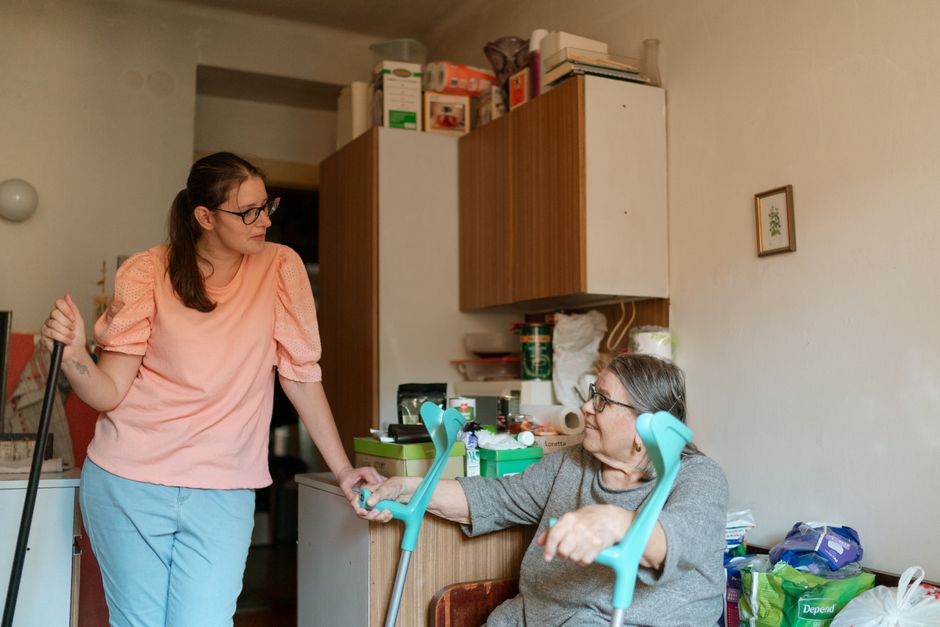
Moving to assisted living can bring relief, uncertainty, sadness, and even resistance. These reactions are common, especially when a person is leaving a longtime home or giving up familiar routines. Adjustment usually happens gradually, and families can make the transition easier by offering steady support without taking away the older adult’s sense of control.
Why is assisted living difficult to adjust to?
Assisted living changes much more than a person’s address. It may affect daily schedules, privacy, meals, household responsibilities, transportation, social contact, and the way personal decisions are made.
A senior may be grieving:
- A home filled with memories
- A familiar neighborhood and daily route
- A spouse, pet, or family member who is no longer present
- The ability to manage every household task independently
- Longstanding routines, such as preparing meals or maintaining a garden
Some residents settle in quickly. Others need several weeks or months before they feel comfortable. Early frustration does not necessarily mean the move was a mistake. It may reflect the normal process of adapting to unfamiliar surroundings.
How can family members prepare before the move?
Preparation works best when it begins before moving day. Seniors should be included in practical decisions whenever possible, even if family members are coordinating much of the process.
Discuss questions such as:
- Which furniture or personal belongings should come along?
- What daily routines matter most?
- Which clothing, photographs, books, or decorations provide comfort?
- How should medications, mobility equipment, and personal care items be organized?
- What activities or interests would the resident like to continue?
Avoid presenting the move as a punishment or as evidence that the person can no longer make decisions. Language matters. A respectful explanation might focus on having support with meals, medication routines, household tasks, or safety while preserving as much independence as possible.
Before the move, measure the new living space and create a simple floor plan. This can help prevent bringing too many belongings and allows the resident to picture where familiar items will go.
What should be brought to make the new space feel familiar?
A room becomes more comfortable when it reflects the resident’s identity rather than looking temporary. Familiar objects can provide emotional continuity during the first several weeks.
Useful items may include:
- Favorite bedding or a familiar chair
- Family photographs and framed artwork
- A clock or calendar that is easy to see
- Books, puzzles, craft materials, or music
- A small collection of meaningful keepsakes
- Clothing arranged in a familiar order
- A favorite lamp, if permitted and safe
Do not overcrowd the room. Clear walkways are especially important for anyone using a cane, walker, or wheelchair. Remove loose rugs, unstable furniture, and clutter that could increase fall risk.
Seasonal planning also helps in western Pennsylvania. Winters can bring cold temperatures, snow, and icy walking conditions, while warmer months may encourage outdoor activities. Clothing should be labeled, easy to access, and suitable for changing weather.
How can families support independence after the move?
Support should not become constant supervision. Older adults generally adjust better when they retain meaningful choices.
Offer options instead of issuing orders:
- “Would you like to attend the activity before or after lunch?”
- “Which pictures should go on the wall?”
- “Would you rather have a family visit in the morning or afternoon?”
A resident may need help with complicated tasks while still being able to choose clothing, arrange personal belongings, participate in activities, or decide when to rest. Family members can ask staff what the resident does independently and where assistance is actually needed.
It is also helpful to avoid completing every task immediately. Allowing extra time for dressing, eating, or walking can preserve confidence, provided there is no immediate safety concern.
How often should family members visit?
Consistent visits are usually more helpful than unpredictable or lengthy visits. During the early adjustment period, shorter visits several times a week may be easier than occasional visits that leave the resident feeling abandoned afterward.
Visits can include ordinary activities:
- Looking through photo albums
- Sharing a snack or meal
- Folding laundry
- Listening to music
- Taking a supervised walk
- Watching a familiar television program
- Helping arrange personal items
A visit does not need to be entertaining every minute. Quiet companionship can be reassuring.
Families who cannot visit often can maintain connection through phone calls, handwritten notes, photographs, or video conversations if the resident is comfortable using technology. A visible calendar showing planned visits may reduce repeated questions and provide something to anticipate.
What if the resident refuses activities or does not make friends?
Social adjustment should not be forced. Some people enjoy group activities immediately, while others prefer one-on-one conversations or quiet time. A resident who declines a large gathering may still enjoy a small card game, music session, gardening activity, or conversation with one other person.
Families can ask staff about the resident’s interests and preferred times of day. Someone who is tired in the afternoon may participate more easily in a morning activity. A person who has hearing or vision difficulties may avoid social events because communication feels embarrassing or exhausting.
Watch for practical barriers:
- Poor lighting
- Excessive background noise
- Difficulty hearing instructions
- Pain or fatigue
- Fear of getting lost
- Trouble recognizing people
- Lack of suitable activities
Participation may improve when the environment or timing changes. Friendship also takes time. One comfortable relationship can be more meaningful than joining every group.
What signs suggest that adjustment is not going well?
Some sadness, irritability, or homesickness is expected. Families should pay closer attention when changes are severe, persistent, or worsening.
Potential warning signs include:
- Refusing most meals or fluids
- Repeated falls or unsafe wandering
- Ongoing panic, anger, or tearfulness
- Major changes in sleep
- Loss of interest in nearly everything
- Confusion that is new or rapidly worsening
- Statements about hopelessness or not wanting to live
- Unexplained bruising, pain, or medication problems
These symptoms may result from depression, anxiety, infection, medication effects, dehydration, untreated pain, hearing loss, or another medical issue—not simply dislike of assisted living. Safety concerns, sudden confusion, or statements about self-harm require prompt medical attention.
Families should keep a written record of significant changes, including dates, eating patterns, sleep, falls, and mood. Specific information makes it easier for appropriate care team members to identify patterns.
How can families work constructively with staff?
Clear, respectful communication helps everyone understand what the resident needs. Share information about routines, food preferences, communication style, health history, cultural practices, and calming strategies.
It can be useful to ask:
- How is the resident spending the day?
- Is the resident eating and drinking adequately?
- Which activities seem appealing?
- Has staff noticed pain, confusion, or sleep changes?
- What does the resident manage independently?
- Are there concerns about falls, medication, or personal care?
Keep expectations realistic. Staff members may be supporting many residents, and a new routine may take time to become consistent. At the same time, families should speak up about unresolved safety, medical, or care concerns through the appropriate channels.
Helping a senior adjust is not about making the transition look easy. It is about preserving dignity, recognizing grief, keeping familiar routines, and creating opportunities for genuine choice. With patience and careful observation, families can help a new residence become a place where daily life feels more predictable, personal, and secure.
